Farm History
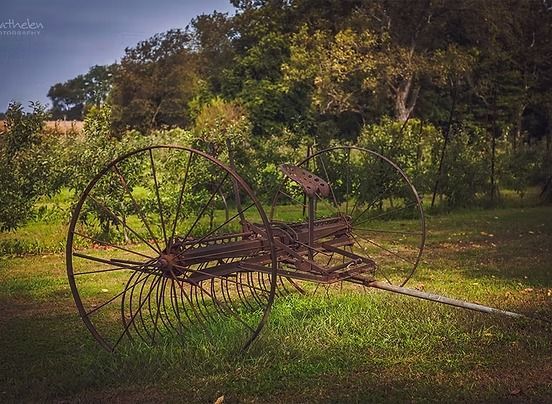
Wea Creek Orchard: About the Land and Our Heritage.
The land that is now Wea Creek Orchard holds a deep and significant history, connecting indigenous cultures, pioneer settlement, and seven generations of family farming.
The Indigenous Heritage of Tippecanoe
The Wabash River Valley has been continuously occupied by indigenous peoples long before the arrival of European settlers. The Wea tribe of the great Algonquin Nation were a dominant presence in this area by at least 1680. In fact, Tippecanoe County, formed in 1826, takes its name from the English interpretation of the Miami Indian term “Kethtippecanoogi,” meaning “place of the succor fish people.”
Wea Creek Orchard sits near the natural boundary between the Great Plains and the Eastern Forests, meaning this land historically hosted a diversity of large game and predators from both habitats. Artifacts found on the farm are difficult to precisely date but suggest hunting activities that could be as old as 10,000 years. Our commitment to preserving this past is recognized by the Indiana Department of Natural Resources, which has registered the farm as a documented archaeological site.
The Pioneer Homestead and Family Legacy
The current Wea Farm homestead was first settled by Europeans in the early 1800s.
- 1824: John Hoover obtained the original tract of land from the government.
- 1834: Aaron Huffman purchased adjoining land. That same year, he married Sarah Carter Franklin, whose family had settled in the area by 1814.
- 1855: Aaron and Sarah purchased the current Wea Farm homestead from John Hoover.
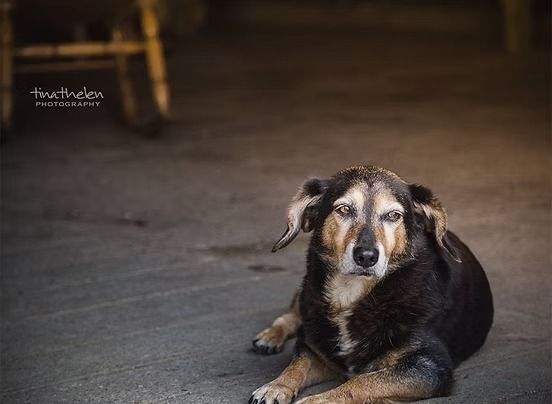
Since that pivotal date, the farm has remained in our family’s continuous ownership. It has seen the birth and rearing of seven generations of Huffman, Thompson, and Kirkham children alongside various livestock, including Shropshire sheep, Shorthorn and Angus cattle, and Poland China pigs.
Patrius Ara: Preserving the Past
The farm is currently owned and operated by three families who are direct descendants of the pioneers who purchased the farm in 1855.
Our farm is incorporated under the name “Patrius Ara,” a Latin phrase that proudly translates to “land of our fathers.” We take great pride in this deep heritage and are actively working to maintain the buildings and grounds as close to their original state as possible.
You can see this commitment in the two historic bank barns overlooking the creek, which once housed our traditional livestock—sheep, cattle, pigs, horses, and chickens—with their lofts used for storing hay.
